Most flat roof failures don't happen all at once — they build up season by season through neglected maintenance. New Jersey throws everything at a flat roof: freezing winters, wet springs, scorching summers, and debris-heavy falls. Each season creates its own risks. This guide tells you exactly what to do — and when — to keep your flat roof leak-free and extend its life by 10+ years.
A flat roof that gets the right attention in each season can outlast one that gets no attention by 10–15 years. The key is knowing that each season creates a specific type of stress — and addressing it at the right time before it compounds into the next season's problems.
Spring is the most important maintenance window of the year. After months of freeze-thaw cycling, snow load, and ice accumulation, your flat roof has been through serious stress — and spring is when the damage shows itself. This is the time to assess, repair, and reset before the rainy season begins.
The ground thaw also means that any water that worked its way into seams or under flashing during winter will now begin evaporating upward — causing blistering, delamination, and membrane lifting that gets worse with each warm day you wait.
Walk the entire roof surface looking for cracks, lifted seams, damaged flashing, blistering, and any areas where ice or snow weight created depressions or stress points. This is the most critical inspection of the year.
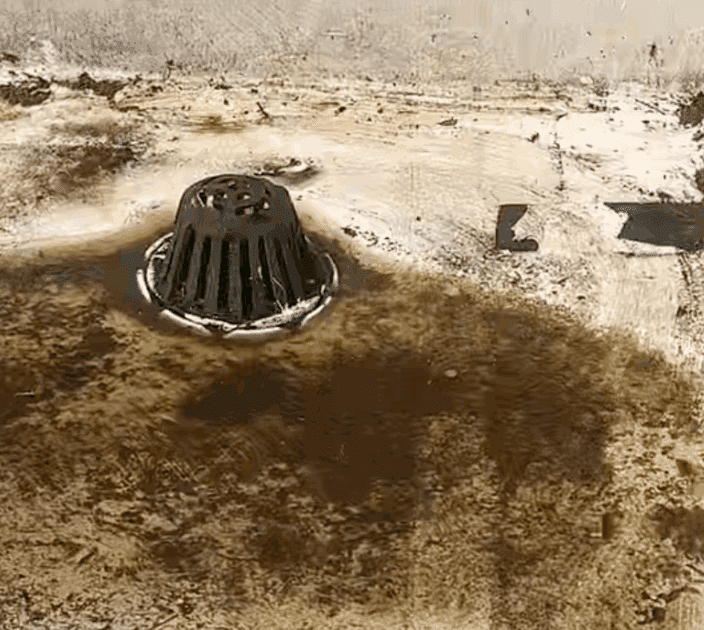
Remove debris that accumulated under the snow. Flush every internal drain, scupper, and gutter to confirm they're flowing freely before April rains begin. A blocked drain in spring can lead to ponding that saturates the membrane in days.
Freeze-thaw cycles are the #1 cause of failed sealant at pipe boots, HVAC curbs, skylights, and vent stacks. Probe each seal — if it's cracked, separated, or brittle, it needs to be replaced before the next rain event.
Parapet flashing absorbs massive thermal movement all winter. Look for lifted edges, rust staining, or gaps where the flashing has pulled away from the wall — these are active water entry points.
If the membrane shows chalking, surface crazing, or significant UV fading, spring is the ideal time to schedule a recoat before summer UV further degrades the surface. Coatings adhere best in 50–80°F temperatures.
Summer brings NJ's highest UV intensity and heat. Flat roof surfaces can reach 150–180°F on a hot July day — temperatures that accelerate rubber oxidation, dry out sealants, and cause thermal expansion in the membrane and flashing. The biggest summer threats are UV degradation, storm damage from afternoon thunderstorms, and HVAC contractor foot traffic.
Summer is also the best time to perform recoating and any larger repair projects because extended dry periods allow proper adhesion and curing — something that's harder to guarantee in spring or fall.
NJ summer storms can bring hail, high winds, and sudden heavy rain. After any significant storm, do a visual inspection within 24–48 hours. Look for hail impact marks on the membrane, debris blocking drains, and any newly lifted flashing edges.
Summer's consistent dry weather makes June through August ideal for silicone or acrylic recoating. Surfaces need to be clean and dry before application — extended summer weather windows make proper prep and curing much easier to achieve.
Summer HVAC technician visits are common. Every time someone accesses the roof to service equipment, there's a risk of membrane puncture or unsecured penetration seals. Do a quick walk-around after any HVAC service to verify no damage occurred.
Leaves and debris that block drains in summer create ponding conditions that stress the membrane under peak UV — a particularly damaging combination. Keep drains clear throughout storm season.
Unusually high cooling bills or hot spots in the top floor can indicate compromised roof insulation from water damage. A thermal imaging inspection can identify moisture-saturated insulation without cutting into the roof.
Fall is your last chance to prepare before winter — and it's the most underutilized maintenance window of the year. Property owners who do thorough fall maintenance spend far less on emergency winter repairs. The focus is simple: winterize the drainage, fix every leak, and close every gap before the first freeze.
October and November bring NJ's heaviest leaf fall, which clogs drains faster than any other time of year. A drain that was clear in September can be fully blocked by mid-October after a windy week.
October is ideal — temperatures are still warm enough for sealant and coating adhesion, and you have time to complete repairs before the ground freezes. Any crack, open seam, or failed flashing identified now can be properly repaired. After December, you're in emergency repair territory.
Clean drains in early October and again in late November after peak leaf fall. NJ's leaf drop in October–November is the single biggest drainage threat of the year. Clear every internal drain dome, scupper opening, and gutter channel completely.
Water that enters a penetration gap in November will freeze in December, expanding the opening and forcing the gap wider. A $50 tube of sealant applied in October prevents a $2,000 leak repair in January. Don't skip this step.
Branches over a flat roof shed leaves directly onto the membrane and drains all season. Heavy ice and snow can cause branches to fall and puncture the membrane. Fall is the right time to trim back anything within falling distance of the roof.
If budget constraints mean some items can't be addressed this fall, document them in writing with photos. This gives you a head start on spring planning and is essential documentation for insurance claims if winter damage occurs.
Winter is not the time for preventive work — it's the time for monitoring and emergency response. Proper fall preparation means your winter checklist is shorter. But even a well-maintained flat roof needs attention during NJ's snow season. The primary threats are snow load accumulation, ice dam formation at drains, and freeze-thaw cycles working existing small vulnerabilities into active leaks.
The biggest winter mistake NJ property owners make is ignoring signs of water intrusion until spring. By then, weeks of moisture have saturated insulation, grown mold, and stained ceilings — turning a $500 repair into a $10,000 restoration.
When NJ receives 6+ inches of wet snow, consider professional removal. Wet snow weighs 15–25 lbs per square foot. At 12 inches deep over a 2,000 sq ft roof, that's 25,000–50,000 lbs of added load. Use a plastic snow rake or hire a licensed contractor — never use metal tools on an EPDM or TPO membrane.
Ice can form over internal drains even when the surrounding roof surface is clear. When temperatures rise and snow begins melting, water needs somewhere to go — if the drain is frozen, ponding occurs rapidly. Keep drain areas as clear as safely possible after each storm.
Walk the top floor of your building after every significant storm. Look for new ceiling stains, wet insulation in mechanical rooms, or musty odors. Catching an active winter leak early limits the damage dramatically — even a temporary patch applied in below-freezing temps is better than months of water infiltration.
Photograph any new stains, cracks, or flashing failures you notice during winter. This documentation supports insurance claims and gives your spring contractor a clear picture of what needs addressing before they even access the roof.
If an active leak develops mid-winter, don't wait for spring. Temporary repairs using roofing cement or self-adhering membrane patches can be applied even in cold weather to stop active water infiltration. Call us — we do emergency flat roof repairs year-round.
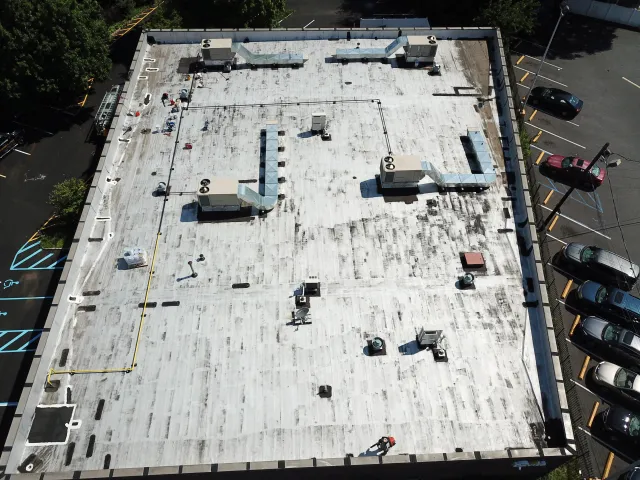
Seasonal maintenance is the foundation — but these year-round habits are what separates flat roofs that last 30 years from those that need replacement at 15.
Document every inspection, repair, and cleaning with dates and photos. This is essential for warranty claims, insurance, and when you eventually sell the property.
Consistency matters. A contractor familiar with your specific roof system knows what's normal aging and what's a new problem — and can track changes over multiple visits.
Every unauthorized person on your flat roof is a potential membrane puncture or unsealed penetration. Require that all roof-accessing contractors (HVAC, telecom, solar) notify you so you can do a post-access inspection.
Any standing water still present 48 hours after rain has stopped is a drainage problem — not normal. It needs immediate investigation regardless of season.
There is no such thing as a "small" leak on a flat roof. Every small leak is a future large leak. Address every identified water intrusion point immediately — without exception.
Don't wait for obvious failure before recoating. Schedule a recoat at years 7–10 for maximum benefit — at this point the membrane is still structurally sound and coating adhesion is optimal.
NJ Roofing's Roofing Maintenance Program covers biannual professional inspections, drain cleaning, minor repairs, and recoat planning — so you never have to track the maintenance calendar yourself. Commercial flat roof plans start at $99.99/month.
Don't wait for the next storm to find out your flat roof has a problem. Call NJ Roofing for a free inspection and we'll walk you through exactly what your roof needs — season by season.
Emergency roofing available 24/7 — serving all of New Jersey
