Flat roofs are durable and cost-effective — but only when properly maintained. Neglected flat roofs are far more prone to ponding water, membrane blistering, and expensive leaks than any other roof type. Here's exactly what NJ property owners should be doing to protect their flat roofing system and add years of life.
Unlike sloped roofs that shed water naturally, flat roofs rely entirely on proper drainage, membrane integrity, and routine maintenance to stay watertight. New Jersey's climate — heavy snow, hard freezes, summer heat, and spring rain — puts flat roofs under stress from every direction throughout the year. The tips below address each of these challenges directly.
Leaves, branches, and dirt might seem harmless sitting on your roof — but they're not. Organic debris traps moisture against the membrane for days or weeks at a time, accelerating UV degradation, promoting mold and algae growth, and eventually causing structural damage to the membrane surface and underlying insulation.
In New Jersey, the heaviest debris accumulation happens in October–November (leaf fall) and March–April (spring windstorms). At minimum, schedule a flat roof sweep at these two times each year. If you have overhanging trees, add summer and post-storm cleanups to your schedule.
The most valuable thing you can do for a flat roof is have a licensed roofer walk it twice a year — in spring and fall. A trained eye catches problems that look minor on the surface but are actively allowing water infiltration below. Catching these early keeps a $250 repair from becoming a $6,000 interior water damage claim.
After any major storm — especially hail, high winds, or a nor'easter — schedule an additional inspection. Hail impacts that aren't visible from the ground can create microscopic punctures in an EPDM or TPO membrane that don't show up as leaks until weeks later.
What a qualified inspector checks on a flat roof:
A quality roof coating is one of the highest-ROI investments for flat roof owners. Elastomeric coatings (silicone or acrylic-based) and aluminum-based sealants serve two critical functions: they restore the waterproof barrier where the membrane has aged, and they add UV reflectivity that dramatically reduces cooling costs in summer.
For most NJ flat roofs, a recoat is appropriate every 5–7 years depending on the coating type and UV exposure. Done correctly, a single recoat can add 10+ years to the serviceable life of the underlying EPDM, modified bitumen, or TPO system — at a fraction of full replacement cost.
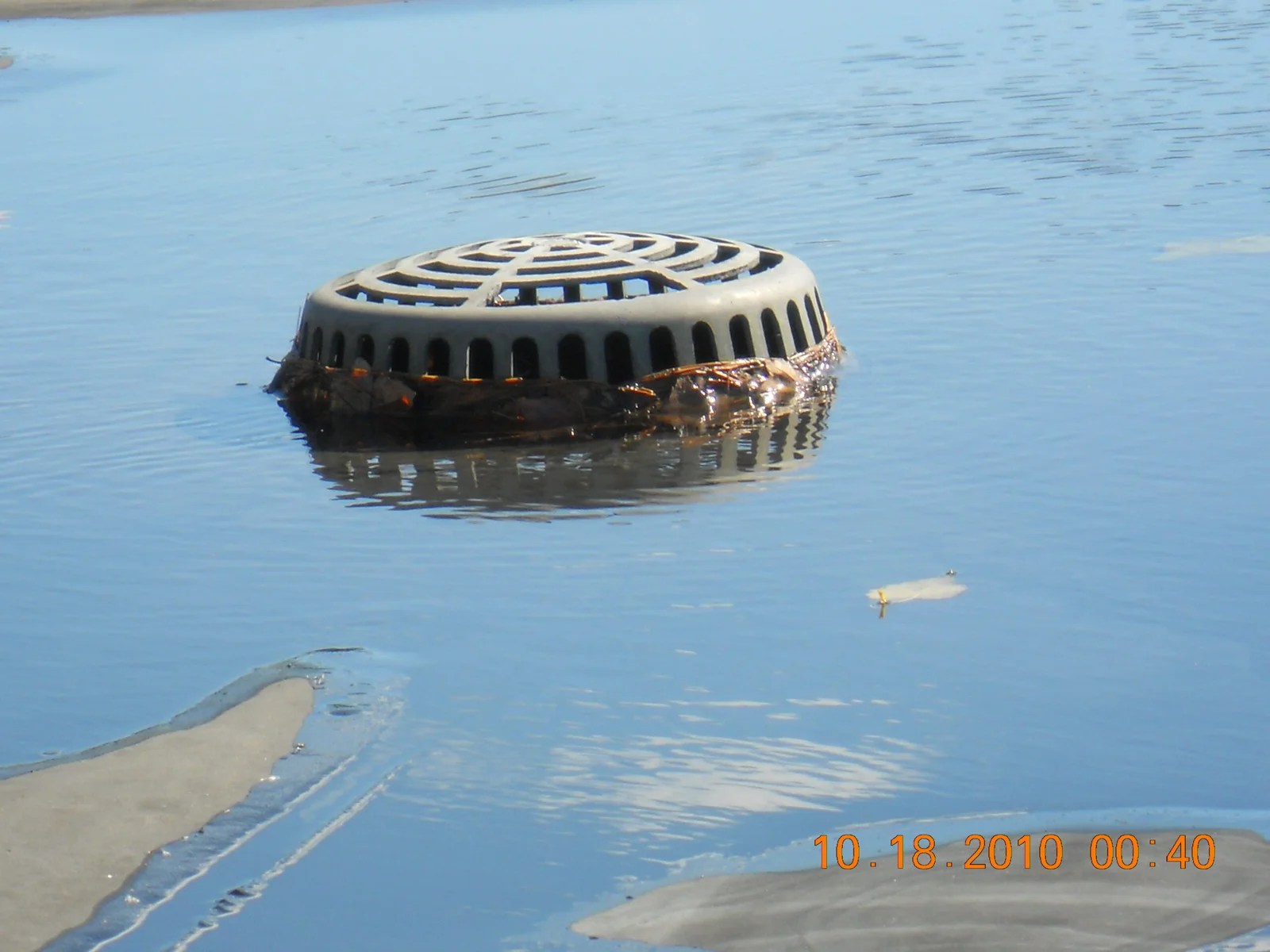
Backed-up drainage is the single most common cause of flat roof leaks in New Jersey. When drains are clogged, water has nowhere to go — it pools, it sits, and it finds every weakness in the membrane and flashing system. A drain that takes 10 minutes to clear can prevent thousands of dollars in water damage.
Flat roofs rely on one of three drainage types: internal drains (connected to the building's plumbing), scuppers (wall openings that let water run off the roof edge), or gutters along the roof perimeter. Each requires different maintenance attention.
Maintenance buys time — but every flat roof has an end of life. If yours is over 15 years old and showing any of these signs, it's time to have a professional assess whether you're looking at repairs, a recoat, or a full replacement:
Yellow or brown ceiling stains, especially after rain, indicate active water infiltration through the roof system
Blisters or tears on the membrane surface mean moisture is trapped beneath the membrane — a serious structural concern
Unexpected increases in heating or cooling costs often signal that roof insulation has been compromised by water intrusion
If the same section has been repaired more than once and keeps leaking, the underlying membrane is too deteriorated to patch
A pattern of cracked or crazed surface that resembles alligator skin means the membrane has lost its flexibility and waterproofing ability
Mold smell in upper floors or mechanical rooms below the roof is a sign of long-term moisture intrusion — requires immediate attention
If your flat roof is over 15 years old, now is the time to plan — not when the next major leak hits. A professional inspection can tell you exactly how much life is left and whether a recoat, targeted repairs, or replacement is the right next step. The earlier you act, the more options you have.
Use this as a reference for scheduling your flat roof maintenance tasks throughout the year:
| Task | Frequency | Best Time (NJ) | DIY or Pro? |
|---|---|---|---|
| Debris sweep & drain check | Quarterly | Mar, Jun, Sep, Nov | DIY or Pro |
| Professional roof inspection | Biannual | April & October | Licensed Pro Only |
| Gutter / scupper cleaning | Biannual | Spring & Fall | DIY or Pro |
| Post-storm inspection | After major storms | Within 48 hrs | Visual DIY → Pro if ponding |
| Snow removal (heavy accumulation) | As needed | Dec–Feb | Pro Recommended |
| Flashing & penetration seal check | Annual | Spring Inspection | Licensed Pro |
| Roof recoating (silicone or acrylic) | Every 5–7 Years | May–September | Licensed Pro Only |
New Jersey's climate is uniquely demanding on flat roofing systems compared to warmer or drier states. Here's what makes NJ conditions particularly tough — and what to do about each:
NJ Roofing offers free flat roof inspections and maintenance plans starting at $99.99/month for commercial properties. Let us walk your roof and tell you exactly what it needs.
Serving commercial and residential flat roof owners across all of New Jersey
