Whether you're buying a home, managing a commercial building, or planning for roof replacement, one of the most common questions we hear is: "How long does a roof last?" The answer depends on the material, installation quality, NJ's climate, and how well the roof is maintained. Here's everything you need to know.
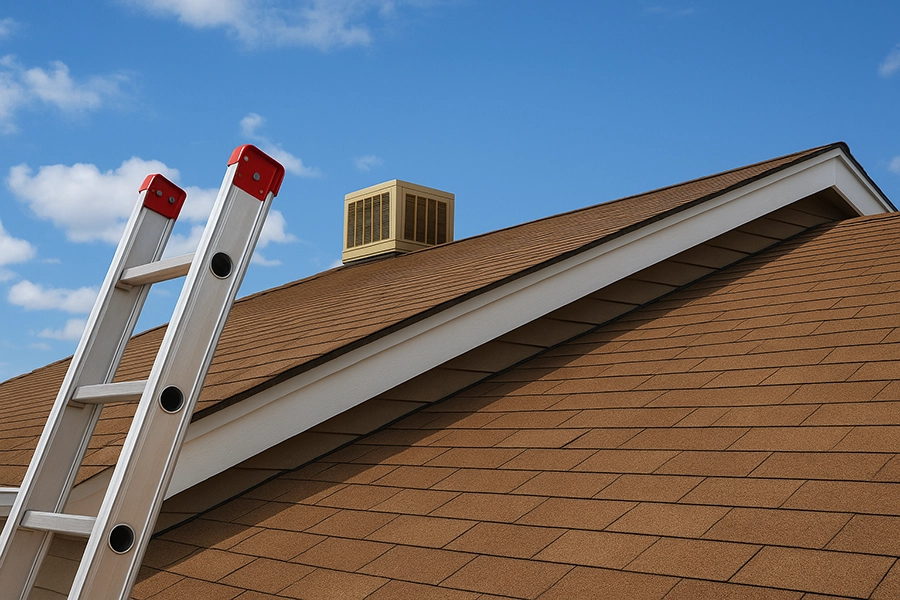
Here's a side-by-side look at how long each common roofing material lasts, along with relative cost and maintenance needs. Use this as a starting point for your planning:
| Roof Type | Avg. Lifespan | Lifespan (Visual) | Relative Cost | Maintenance |
|---|---|---|---|---|
| Asphalt Shingles | 15–30 yrs | Low | Low | |
| EPDM (Rubber) | 20–30 yrs | Medium | Low–Medium | |
| TPO Membrane | 20–25 yrs | Medium | Low | |
| Modified Bitumen | 15–25 yrs | Low–Medium | Medium | |
| Metal Roofing | 40–70 yrs | High | Very Low | |
| Slate or Tile | 50–100 yrs | Very High | Very Low |
The table above gives you the numbers — here's the context that matters for NJ homeowners and property managers:
The most common roofing material on NJ homes. 3-tab shingles last 15–20 years; architectural (dimensional) shingles from GAF or Owens Corning can reach 25–30 years with proper installation and ventilation. Lifetime limited warranties are available but require maintenance to stay valid.
In New Jersey, freeze-thaw cycles and ice dams are the primary lifespan killers for asphalt — especially on low-slope sections near gutters. Proper ventilation and attic insulation are critical to maximizing shingle life here.
EPDM is the most widely used flat roofing material across New Jersey's commercial and residential flat sections. 60-mil EPDM installed by a certified contractor routinely hits 25+ years. The key variables are seam quality and drainage. Ponding water is the #1 EPDM killer — not the membrane itself but the stress it puts on seams.
Manufacturers like Elevate (formerly Firestone) and Mule-Hide offer 20-year material warranties on properly installed systems. With a maintenance coat at year 15–20, many EPDM roofs push into 30+ year territory.
TPO is a popular choice for commercial flat roofs because it's energy-efficient (white reflective surface reduces cooling costs) and weld-sealed at seams — making it more watertight than mechanically fastened alternatives. Lifespan depends heavily on membrane thickness: 45-mil is entry-level, 60-mil or 80-mil is recommended for NJ's climate.
TPO seams are heat-welded, which makes them strong but also means failures happen fast if the weld wasn't done right. A biannual inspection is the single best thing you can do to maximize TPO life.
Modified bitumen (mod bit) is a multi-layer flat roofing system — asphalt reinforced with fiberglass or polyester, often topped with granules. It's extremely common on older NJ commercial and multi-family buildings. It's tough and proven, but the granule surface wears over time and requires more active maintenance than EPDM or TPO.
A silicone or acrylic recoat at years 10–15 can add another 5–10 years of life and dramatically reduce energy costs by adding reflectivity to the granule surface.
Metal roofing is gaining ground rapidly in New Jersey — both on residential and commercial properties. Standing seam metal is the premium option (40–70 year lifespan); exposed fastener panels are more affordable but require fastener maintenance every 10–15 years. Metal sheds snow naturally, resists fire, and handles NJ storms exceptionally well.
The upfront cost is significantly higher than shingles, but the total cost of ownership over 50 years often makes metal the most economical long-term choice — especially when you factor in zero re-roofing cycles during that period.
When properly installed and maintained, natural slate and clay tile roofs are the longest-lasting options available. Many slate roofs in NJ's older neighborhoods have been in place for 80–100 years — the slate itself is still fine, but the flashing, underlayment, and fasteners need periodic attention. The roof outlives the people who installed it.
The caveat: these materials are very heavy (requires structural evaluation) and very expensive to install. Individual slate replacements after storm damage can also be difficult as older slates get discontinued. But for the right property, nothing else compares.
The biggest gap between a roof lasting 15 years and 30 years usually comes down to these four factors — all of which are preventable or controllable:
The good news: most premature roof failures are preventable. Here's what actually moves the needle on roof longevity in New Jersey:
Especially critical in fall and spring. Clogged gutters cause water to back up under shingles; clogged flat-roof drains cause ponding that destroys membranes.
Spring and fall are the ideal times. A professional inspection catches the small issues — popped nails, separated flashings, early seam lifts — before they become expensive leaks.
A $200 repair today prevents a $3,000–$8,000 repair next year. Small membrane cracks, open nail holes, and failing caulk at flashings are all fast and cheap to fix when caught early.
A professional-grade silicone or acrylic coating restores waterproofing, adds UV resistance, reduces cooling costs, and can add 10+ years of life to an EPDM or mod-bit system.
For shingle roofs, proper soffit-to-ridge ventilation keeps the attic cold in winter (preventing ice dams) and cool in summer (preventing premature shingle granule loss).
New Jersey's temperature swings — from 95°F summers to single-digit winters — and heavy snow seasons put flat roofs under extraordinary stress. EPDM and TPO roofs can reach 25–30+ years if you follow these NJ-specific guidelines:
NJ Roofing's Roofing Maintenance Program covers biannual inspections, drain cleaning, minor repairs, and recoat planning — starting at $25.99/month for homeowners and $99.99/month for commercial flat roofs.
Maintenance can extend a roof's life — but there comes a point where continued repairs cost more than a new system. Here are the clear signs it's time to replace rather than repair:
If you're unsure whether your roof needs repair or replacement, a professional inspection is the only reliable way to know. NJ Roofing offers free residential roof inspections and $250–$350 commercial inspections with a full written report — so you can make an informed decision.
Let our NJ roofing experts take a look. We'll assess your roof's current condition, estimate its remaining lifespan, and give you clear options — no pressure.
Serving Newark, East Orange, Bloomfield, and all of New Jersey
